Introduction to LLM Data Sovereignty
What is Data Sovereignty?
Data sovereignty refers to the concept that data is subject to the laws and governance structures within the nation it is collected. With the rise of large language models (LLMs), understanding data sovereignty has become increasingly crucial as organizations must navigate complex regulations governing data usage and privacy.
Importance of Data Sovereignty in AI
The importance of data sovereignty in AI cannot be overstated. As AI applications proliferate, the need for compliance with regional laws and the protection of sensitive information becomes paramount. Organizations must ensure that their AI systems operate within legal frameworks to mitigate risks associated with data breaches and non-compliance.
Understanding LLM Architecture
Components of LLM Architecture
LLM architecture comprises various components, including data ingestion, model training, inference engines, and deployment frameworks. Each component plays a critical role in ensuring the efficacy and security of the model, particularly in relation to data sovereignty.
On-Premise vs Cloud LLMs
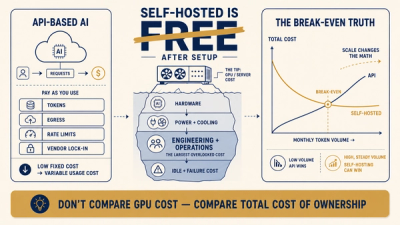
When considering LLM deployment, organizations face a choice between on-premise and cloud solutions. On-premise deployments offer greater control over data and compliance with local laws, while cloud-based LLMs provide scalability and ease of maintenance. Understanding the trade-offs is essential for organizations aiming to achieve data sovereignty.
Data Sovereignty Frameworks for LLMs
Key Regulatory Compliance Standards
Key regulatory compliance standards such as GDPR and CCPA are critical for organizations operating LLMs. These regulations dictate how data must be handled, stored, and processed, ensuring that individuals' rights are protected and that organizations maintain transparency.
Implementing Data Sovereignty Frameworks
Implementing data sovereignty frameworks in LLM architectures involves several steps, including data classification, risk assessment, and the establishment of governance policies. Organizations must tailor their frameworks to comply with relevant regulations while also addressing the specific needs of their operational environment.
Cryptographic Techniques in LLMs
Role of Encryption in Data Sovereignty
Encryption plays a vital role in ensuring data sovereignty by protecting sensitive information from unauthorized access. By employing robust cryptographic techniques, organizations can secure data both at rest and in transit, thereby enhancing trust and compliance.
Best Practices for Secure LLM Deployment
Best practices for secure LLM deployment include implementing strong encryption protocols, conducting regular security audits, and ensuring that all personnel involved in data handling are trained in data protection measures. These practices help mitigate risks and maintain compliance with data sovereignty regulations.
Case Studies: Successful Implementations of LLM Data Sovereignty
Industry-Specific Case Studies
Several organizations across various industries have successfully implemented LLMs while adhering to data sovereignty principles. For instance, a financial institution utilized an on-premise LLM to ensure compliance with stringent regulatory requirements, showcasing the effectiveness of localized solutions.
Lessons Learned from Implementations
Key takeaways from these implementations include the importance of stakeholder engagement, the need for continuous monitoring and adaptation of frameworks, and the benefits of leveraging local data centers to enhance data sovereignty. These lessons can guide other organizations in their pursuit of compliant AI solutions.
Future Trends in LLM Data Sovereignty
Emerging Technologies and Their Impact
Emerging technologies such as edge computing and decentralized data storage are set to significantly impact LLM data sovereignty. These innovations can enhance data control and minimize latency, while also aligning with regulatory requirements more effectively.
Predictions for LLM Data Sovereignty
Predictions for LLM data sovereignty indicate a growing emphasis on transparency and user control over personal data. As regulations evolve, organizations will need to adapt their data management practices to meet new standards and expectations, ensuring that data sovereignty remains a priority.
Conclusion
Recap of Key Points
In summary, LLM data sovereignty is a critical aspect of AI deployment that organizations must prioritize. By understanding the regulatory landscape and implementing robust frameworks, businesses can ensure compliance and protect sensitive information.
Final Thoughts on LLM Data Sovereignty Architecture
As the landscape of data sovereignty continues to evolve, organizations are encouraged to adopt proactive measures to safeguard their data and align their AI initiatives with legal requirements. Prioritizing data sovereignty will ultimately lead to greater trust and sustainability in AI applications.